
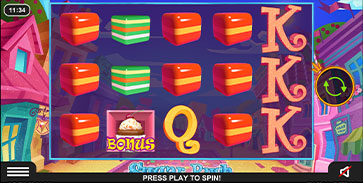
Payment arrangements can matter as much as the game itself when considering slots with no deposit bonus offers. The slot does not control your money: the casino hosting it handles deposits, withdrawals, identity checks and account support. For background on the game’s mechanics and where payment responsibility sits, the sugar rush slot online platform information is best read alongside the operator’s own terms. This distinction helps New Zealand players compare offers without assuming that a game title guarantees a particular payment method, currency or withdrawal time.
Who actually handles the money?
The game supplied by Pragmatic Play is software, not a casino operator. It does not create player accounts, accept deposits or send winnings to a bank account. When you play it for real money, your financial relationship is with the casino website that provides access to the game. That operator controls the cashier, account balance, verification process and any request to withdraw funds.
This matters when assessing a slots with no deposit bonus promotion. The phrase usually describes an offer made by a casino, rather than a feature built into the slot. A casino may provide bonus funds or free spins under its own conditions, while the game’s internal Free Spins round is simply part of its design. The two should not be treated as the same benefit.

Before using any payment option, identify the legal entity named in the casino’s terms and conditions. Check who accepts the payment, who pays approved withdrawals and which customer-service team deals with disputes. If the website presents the game prominently but gives little information about its operator, that is a reason to pause rather than assume the game provider will resolve payment problems.
Which payment details need checking first?
Payment methods can differ between operators, even when they offer the same slot. A New Zealand-facing site may or may not support New Zealand dollars, and its available cards, bank transfers, e-wallets or other services cannot be inferred from the game’s software. Look for a current cashier or payments page, but also read the terms because the visible logos may not describe every restriction.
Important details include minimum and maximum deposits, minimum withdrawal amounts, transaction fees and whether a payment method can be used for both funding and cashing out. Also check whether the account holder’s name must match the payment account. A method that appears convenient for deposits may not be available for withdrawals, leaving the operator to offer a different route.
Currency handling deserves particular attention. If an account is not held in New Zealand dollars, the payment provider or bank may apply an exchange rate or conversion fee. The operator should explain how balances are displayed and whether charges are deducted before funds arrive. Avoid estimating the final amount from the deposit screen alone; review the full payment terms before committing money.
How should a withdrawal be assessed?
A withdrawal is not simply the reverse of a deposit. Casinos commonly require an account review before releasing funds, and the operator sets the documents, checks and processing stages. The supplied material does not establish a standard document list or timeframe, so do not rely on general claims that a particular payment route will always be instant.
Read the withdrawal section for pending periods, daily or weekly limits, fees, cancellation rules and any requirement to complete verification first. If a bonus has been accepted, establish whether wagering conditions, maximum-bet rules, game contribution limits or a maximum cash-out restriction apply. A no-deposit offer may have especially specific conditions, so its headline value is not the same as the amount that can necessarily be withdrawn.
Keep copies of the offer, transaction receipts and relevant account messages. If a withdrawal is delayed, ask the operator for a clear explanation and a list of any outstanding requirements. New Zealand’s consumer protection information provides general guidance on dealing with businesses and resolving consumer concerns, although it does not confirm the rules of any particular casino or payment provider.
Do no-deposit offers change the payment risk?
They can change the conditions attached to a withdrawal, but they do not remove the need to assess the operator. A promotional balance may be subject to wagering requirements, an expiry date, a maximum stake, restricted games or a cap on winnings. The offer may also require a qualifying action before anything can be withdrawn. These details should be available before acceptance.
Separate the offer’s value from its practical usability. For example, free spins may apply only to selected games, while winnings from those spins may be subject to a maximum amount or additional playthrough. The fact that the game has its own scatter-triggered Free Spins feature says nothing about the casino’s promotional rules. Likewise, a paid Bonus Buy option is a game mechanic, not a no-deposit benefit.
Never pay a separate “release fee”, tax or verification charge merely because someone promises to unlock promotional winnings. First check whether the request appears in the operator’s published terms and contact support through the official account channel. Do not send extra funds under pressure. A legitimate payment process should explain charges transparently rather than relying on urgency or vague promises.
What is a sensible comparison method?
Start by comparing the operator’s payment terms, not the game’s theme or advertised maximum win. A practical shortlist should show the available deposit and withdrawal methods, supported currencies, charges, limits, verification requirements and stated processing stages. If any of these are missing or difficult to locate, treat that lack of clarity as a material drawback.
Next, examine how a promotion interacts with withdrawals. Record the wagering requirement, eligible stake, expiry, restricted games, contribution percentage and maximum withdrawal before opting in. If the terms use unclear wording, ask support for a written explanation. Keep the response with your records, since promotional pages can change while an account remains subject to the terms accepted at the time.

Finally, decide whether the payment arrangement suits your own limits. Use only money set aside for entertainment, and do not increase stakes to meet a promotion or recover a delayed withdrawal. The game’s published RTP may vary by configuration, and its high-volatility description means results can fluctuate; neither fact makes a payment method safer or turns gambling into income. Clear terms and controlled spending are more useful comparison points.
Payment questions readers often ask
Does the slot provider process withdrawals?
No. The slot provider supplies the game software, while the casino hosting it controls the account balance, cashier, verification and withdrawal. Any question about a pending payment, rejected transaction or account restriction must therefore be directed to that operator rather than the game developer.
Can a no-deposit bonus be withdrawn immediately?
Not necessarily. The casino may require wagering, verification or other qualifying steps, and may impose an expiry date, maximum bet, eligible-game rule or winnings cap. Read the promotion’s complete terms before accepting it, because the advertised bonus amount does not establish the cash amount available for withdrawal.
Are New Zealand dollars and local payment methods guaranteed?
No. Currency support, payment providers, fees, limits and processing times are set by the casino and may differ between operators. Confirm these points in the current cashier and terms before depositing. Do not assume that a New Zealand-facing website offers local currency or a particular bank or wallet service.

